Many new tokens initially “piggyback” on networks like Ethereum or Solana. Once the project grows and is ready to stand on its own two feet, it releases its native blockchain.
This is the stage where the mainnet swap typically takes place, and it can be confusing for users who aren’t familiar with the process.
Therefore, understanding the concept of a mainnet swap is crucial to stay calm, understand what’s happening, and keep your assets safe throughout the process.
What is a Mainnet Swap in the Crypto World?
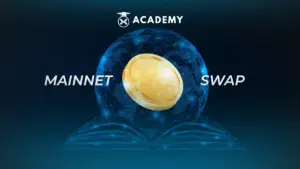
A mainnet swap is the process by which a crypto project migrates its legacy tokens, previously created on another blockchain, such as Ethereum (ERC-20), to native tokens running on its own blockchain.
You can imagine it like moving house: initially, the project “stays” in a rented house, but once they have their own home, all their belongings, or tokens, are moved to the new address.
This process typically occurs when a project launches its mainnet, the final, ready-to-use version of the blockchain network. This is where the token migration takes place, so all activities are no longer dependent on a third-party blockchain.
So why don’t projects just build their own blockchain from the start? Because building a network from scratch is complicated, expensive, and time-consuming.
Therefore, many projects choose to use standards like ERC-20 or BEP-20 to get started more quickly, test ideas, and build a community without the initial technical burden.
Later, once the foundation is solid, they launch the native network and perform a mainnet swap.
Why Do Crypto Projects Perform Mainnet Swaps?
A mainnet swap isn’t just a technical process for transferring tokens, but a strategic step that demonstrates a project’s readiness to become independent and no longer rely on third-party networks.
Here are some of the key reasons why crypto projects perform mainnet swaps that are important to know.
Gaining Full Control of Their Network
With their own mainnet, projects are no longer dependent on Ethereum or Solana. They can design protocols, features, and consensus mechanisms according to their needs.
It’s like they finally have their own home, free to customize their structure and rules without the constraints of other networks.
Better Security and Scalability
Managing their own infrastructure gives projects the space to strengthen security and improve network performance.
They can customize validation methods, speed up transactions, and increase user capacity without waiting for updates from third-party chains.
Building an Ecosystem Without Relying on Other Chains
With their own network, they can develop DApps, wallets, and various tools that strictly adhere to their own architecture.
The ecosystem is becoming more integrated and stable, much like the steps some major projects took when they transitioned from ERC-20 tokens to 1:1 native assets on their respective networks.
How a Mainnet Swap Works from Start to Finish
A mainnet swap typically begins when a project has completed development of its own blockchain and is ready to move tokens from an interim network (such as ERC-20 or BEP-20) to the native chain.
The process is gradual so token holders can follow the flow without confusion. Here’s how it works from start to finish.
1. Official Announcement from the Project Team
It all starts with an official announcement explaining the swap schedule, deadline, technical guidelines, and swap ratio. This information is important so token holders can prepare, as each project has different rules and deadlines.
2. Old Tokens Are Collected or “Burn”
When the swap date arrives, the old tokens on the interim blockchain will be frozen, locked, or collected and then destroyed.
This is a common mechanism in token migration, the goal being to prevent two versions of a token from circulating simultaneously and to transfer all value to the new network.
3. New Tokens Are Sent to Holder Addresses
Once the old tokens are verified, users will receive the new tokens running on the project’s mainnet. The swap ratio is usually 1:1, so the number of tokens received is the same as your previous holding, but now they reside on the original blockchain.
4. Old Tokens Are Deactivated and No Longer Have Value
Once the migration process is complete, the old tokens cease to function and, in many cases, are intentionally burned.
If a token holder exceeds the swap deadline, the old tokens can no longer be used or exchanged because all activity and value are now on the new mainnet.
Examples of Popular Mainnet Swaps That Have Occurred
Mainnet swaps are common in the crypto world, especially when projects grow rapidly and are finally ready to move from a “borrowed” blockchain to their own network.
Several major projects also went through this phase before becoming truly stable, including the following:
Polygon, OP, Base, Cyber, and Other Projects
Many major projects began their journey as ERC-20 tokens before eventually building their own networks.
For example, Polygon, which was originally a layer-2 token for Ethereum, or OP and Base, which are now developing with their own infrastructure. Cyber ??also went through a similar pattern.
The most frequently cited example is the migration of ERC-20 tokens to native assets 1:1 on the new network, where the old tokens are withdrawn from circulation and burned after the swap is complete.
The ELF followed a similar mechanism when it announced its mainnet swap on September 9, 2021, after testing the security of its network.
How New Token Swaps Typically Work on Exchanges
On exchanges, mainnet swaps are generally automated. Users simply deposit old tokens in their exchange accounts, and the system replaces them with the new tokens without requiring manual transfers or claims.
Once the migration is complete, the old tokens are frozen or deleted, while deposits and withdrawals follow the new mainnet. The ratio is almost always 1:1 so that token holders don’t need to adjust their asset balance.
What Are the Risks of a Mainnet Swap?
A mainnet swap isn’t simply a network migration process; this phase is also fraught with risks if you don’t follow the instructions correctly. Here are some important risks to be aware of with a mainnet swap.
Tokens Can Be Forfeited if They Don’t Swap by the Deadline
Almost all projects set a migration deadline. If you’re late swapping old tokens, they could be considered “dead” or even burned.
This is the most common risk: users lose access to their tokens simply because they missed the announced deadline.
Wrong Address or Wrong Network During Manual Swaps
For projects that use manual swap methods, beginners often make mistakes, for example, sending tokens to the wrong network or entering the wrong address.
Technical errors like this can result in the permanent loss of tokens because the swap process requires precise coordination between the user and the new network.
Hoax Information or Fake Swap Links
Scammers often exploit the mainnet swap period to spread fake links, “airdrop swaps,” or fake swap sites.
If users are misled, tokens can be stolen or wallets hijacked. Therefore, it is crucial to ensure all information comes from official project sources.
New Networks Are Unstable in the First Week
After the mainnet launch, the new network is usually still in the adjustment phase. Bugs, transaction congestion, or other technical glitches can occur that slow down the swap process or subsequent transactions.
Reliance on an exchange also increases risk if the exchange is undergoing updates or technical issues.
What Should You Do When a Project Announces a Mainnet Swap?
When a project announces a mainnet swap, the main focus is to ensure you follow the official procedures to avoid losing your tokens or swapping them to the wrong network.
Here are some things you should do when a project announces a mainnet swap.
Check the Project’s Official Announcement (Don’t Use Random Groups)
Always get information directly from official channels such as the project’s website, official accounts, Discord, or Telegram.
This is important to avoid falling for hoaxes, fake links, or swap instructions created by scammers, as the token migration phase is often a vulnerable time for fraud.
If Tokens Are on an Exchange, They’re Usually Safe
If your tokens are held on a major exchange, the swap process is usually automatic without any additional steps.
However, you should still check whether the exchange supports swaps, when the process begins, and when deposits/withdrawals reopen, as the timeframe for each platform can vary.
If in a Personal Wallet, Follow the Step-by-Step Guide
For those of you holding tokens in a personal wallet like MetaMask or Trust Wallet, follow the project’s official guide in sequence.
This will help you avoid common errors, such as the wrong network, the wrong contract address, or failing to claim new tokens due to missing steps.
Note the Deadline and Swap Ratio
These two pieces of information are crucial. The deadline determines when you must complete the swap to avoid forfeiting your old tokens, while the swap ratio ensures the amount of your new tokens matches the migration mechanism (e.g., 1:1, 1:100, or other).
How Do You Swap if You Hold Tokens in a Wallet?
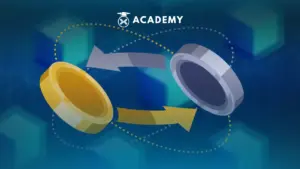
If you store tokens in a personal wallet, the swap process usually requires manual steps. Here’s a guide on how to swap if you hold tokens in a wallet.
Use the Official Guide from the Project Team
Always start with official documents such as the project blog, update whitepapers, or swap guide pages.
These usually explain the network used, the new contract, the swap ratio, and technical steps adapted to commonly used wallets.
Send Old Tokens to a Smart Contract/Swap Portal
Most projects provide a swap portal or contract address that serves as a “reservoir” for old tokens.
After you send tokens to that address, the system will read your transaction as a migration request and process the new tokens based on the predetermined swap ratio.
New Tokens Will Arrive in Wallet after Verification
Once your transaction is detected, the new tokens will be sent to your wallet. This processing time can be quick or slow depending on network conditions and swap load on that day, especially in the first week after mainnet launch.
Signs of a Successful Swap
A swap is considered successful if the new token balance appears in the wallet and the old contract shows a zero balance or the old token is no longer visible.
Some projects also display the transaction status on the swap dashboard so users can ensure the migration is progressing correctly.
Conclusion: Mainnet Swaps Are Important for Your Asset Security
So, that was an interesting discussion about what a mainnet swap is, how it works, and the risks you need to know. You can read more about it in the INDODAX Academy Crypto Academy.
In conclusion, a mainnet swap is a crucial moment that determines whether your assets will remain secure and usable on the new network.
By understanding what a swap is, how the process works, and the risks such as forfeited tokens, wrong networks, or fake links, you can take safer steps when your project migrates.
Therefore, always prioritize official sources before taking any action, and remember that this article is purely educational, not a promotion or solicitation to buy specific assets.
By the way, in addition to gaining in-depth insights through various popular crypto education articles, you can also broaden your horizons through a collection of tutorials and choose from a variety of popular articles that suit your interests.
Besides updating your knowledge, you can also directly monitor digital asset prices on Indodax Market and stay up-to-date with the latest crypto news. For a more personalized trading experience, explore Indodax’s OTC trading service. Don’t forget to activate notifications so you don’t miss out on important information about blockchain, crypto assets, and other trading opportunities.
You can also follow our latest news via Google News for faster and more reliable access to information. For an easy and secure trading experience, download the best crypto app from INDODAX on the App Store or Google Play Store.
Maximize your crypto assets with the INDODAX Earn feature, a practical way to earn passive income from your stored assets. Register now with INDODAX and easily complete KYC to start trading crypto more safely, conveniently, and reliably!
Indodax Official Contact
Customer Service Number: (021) 5065 8888 | Support Email: [email protected]
Also follow us on social media here: Instagram, X, Youtube & Telegram
FAQ
1.What is a mainnet swap in crypto?
A mainnet swap is the process of moving tokens from a temporary network like ERC-20 to a project’s native network after their mainnet officially launches.
2.Why is a mainnet swap necessary?
Because projects need to migrate from a borrowed network to their own blockchain for better security, features, and scalability.
3.Are old tokens still usable after a mainnet swap?
Usually not. Old tokens are deactivated or burned, so you must participate in the swap before the deadline to prevent your assets from losing value.
4.Is a mainnet swap the same as a bridge?
They’re different. A bridge simply moves assets to another network temporarily. A mainnet swap is a permanent migration from old tokens to new ones.
5.Do exchanges process swaps automatically?
In most cases, yes. Exchanges like Indodax usually process swaps automatically, so users just have to wait for the new tokens to arrive.
6.What if tokens are stored in a personal wallet?
You must follow the project’s official guidelines: send old tokens to their swap contract or swap portal, and you will automatically receive the new tokens.
7.What are the risks of not participating in a mainnet swap?
Old tokens may become worthless, forfeited, or untradeable after the swap period ends.

Author: Boy
 Polkadot 9.66%
 BNB 0.78%
 Solana 4.89%
 Ethereum 2.37%
 Cardano 1.22%
 Polygon Ecosystem Token 2.16%
 Tron 2.84%
 Market