Since its launch in 2015, Ethereum has undergone several major upgrades to enhance the network’s capabilities.
Many assumed blockchains would remain unchanged, but networks like Ethereum continue to evolve to meet user and technological needs.
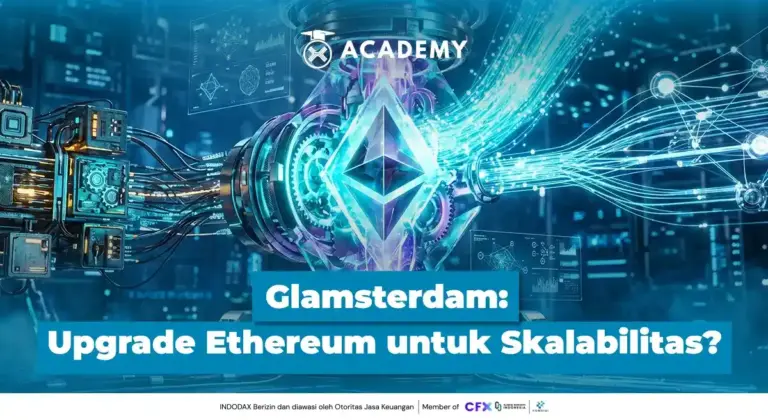
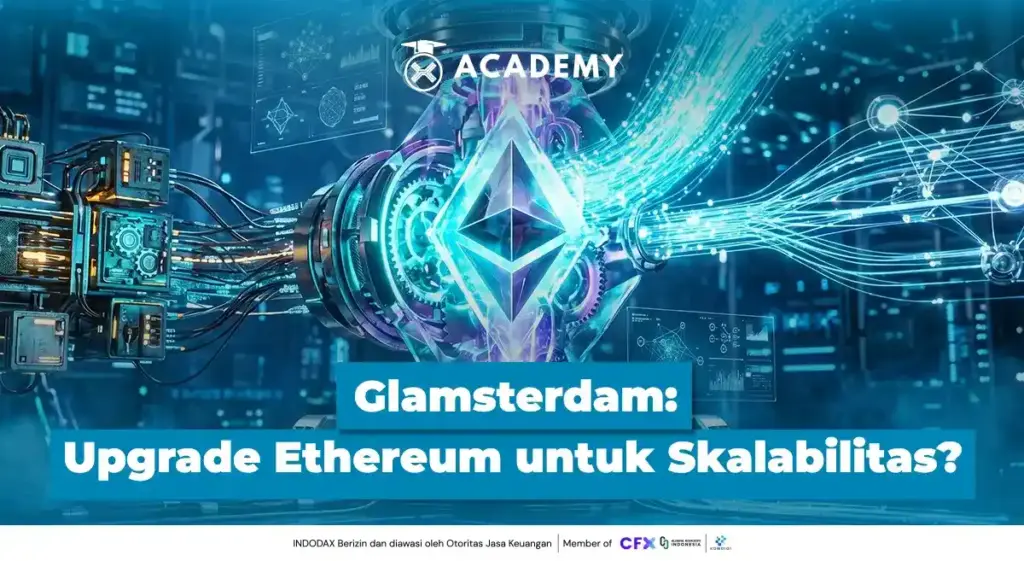
One upgrade planned for 2026 is Glamsterdam, which builds on previous upgrades like The Merge, Dencun, and Pectra.
Glamsterdam doesn’t create a new Ethereum, but rather improves the efficiency, scalability, and usability of the existing network.
In this article, we’ll discuss why Ethereum continues to upgrade, what Glamsterdam is, the changes it brings, and its role in Ethereum’s long-term roadmap.
Send feedback
What Is Glamsterdam?
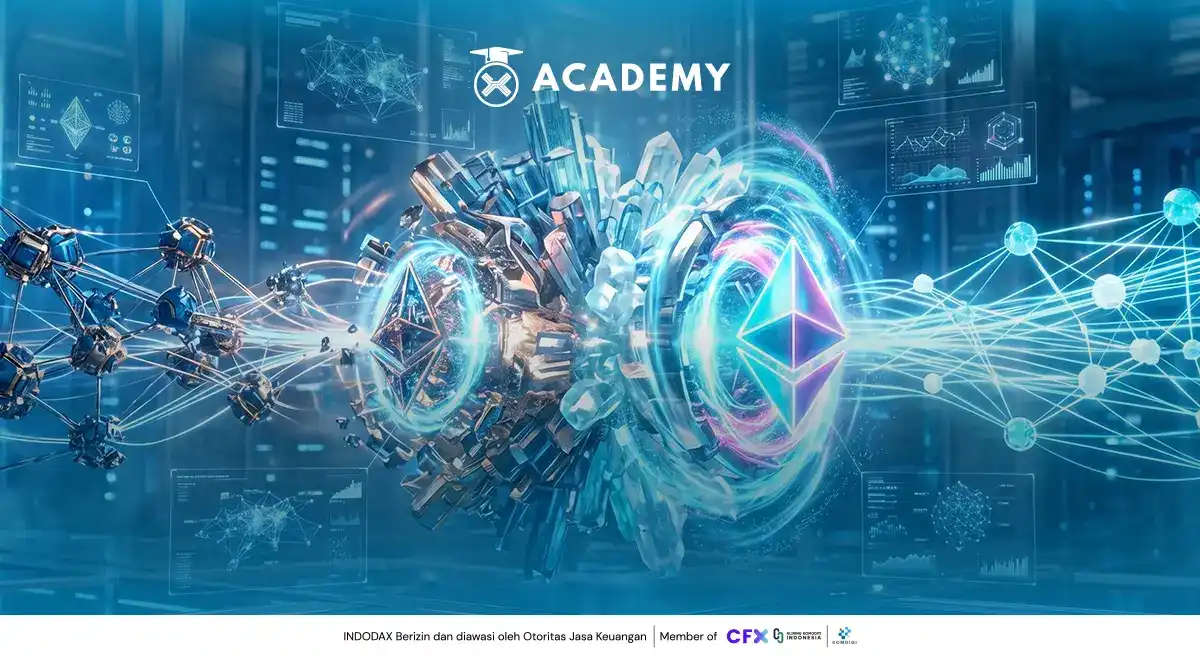
Glamsterdam is an Ethereum upgrade that aims to make the network more efficient, faster, and capable of handling greater activity. Here’s a brief explanation of Glamsterdam.
Glamsterdam is an Ethereum upgrade planned for the second half of 2026 as part of the network’s development roadmap.
This upgrade continues Ethereum’s focus on Layer 1 (L1) improvements, particularly in how transactions are processed and data is managed.
Why the Name Glamsterdam?
Ethereum has a tradition of naming upgrades with terms related to its history or community. According to Coin Desk, the name Glamsterdam is a combination of the words Gloas (the name of the star for the consensus layer upgrade) and Amsterdam (the name of the city for the execution layer upgrade).
Is Glamsterdam a Hard Fork?
A hard fork is a major change to the rules of a blockchain. Upgrades like Glamsterdam are implemented through a network-agreed hard fork that allows Ethereum to be updated without creating a new blockchain.
Why Does Ethereum Continue to Upgrade?
Ethereum continues to upgrade to keep up with the ever-changing user base, technology, and network needs, as explained below.
1. Blockchain Doesn’t Stop Growing
The number of users, transactions, and blockchain applications continues to increase. This situation requires Ethereum to adapt its system to maintain its performance.
2. Challenges Faced
Ethereum faces challenges such as scalability, transaction fees, network efficiency, and data growth. The greater the network activity, the more important it is to improve the way transactions are processed and data is managed.
3. Why Are Upgrades Important?
Ethereum has a long-term roadmap to maintain network development. Upgrades help Ethereum improve performance, maintain efficiency, and remain competitive amidst the blockchain competition.
Ethereum’s Upgrade Journey Before Glamsterdam
Ethereum has continuously evolved through various upgrades to enhance network capabilities since its launch in 2015. Here’s a look at Ethereum’s upgrade journey before Glamsterdam.
1. From Frontier to Modern Ethereum
Since its inception, Ethereum has undergone numerous changes to improve network performance, security, and capacity. Each upgrade is part of the process of building Ethereum to be more ready for widespread use.
2. The Merge and the Change to Proof of Stake
The Merge in 2022 transitioned Ethereum from Proof of Work to Proof of Stake (PoS). This change resulted in lower energy consumption and shifted the transaction validation process to a staking system.
3. Dencun and Pectra
Dencun in 2024 introduced blobs to help reduce Layer 2 transaction fees. Pectra in 2025 continued the upgrade by improving the staking system and account flexibility.
Both have been crucial foundations from the Ethereum Merge to Glamsterdam, making the network more efficient and ready for growth.
4. Why Are Each Upgrades Connected?
Ethereum upgrades are designed as a series of long-term developments. Each update brings improvements that form the basis for subsequent upgrades, including Glamsterdam.
What Problems Does Glamsterdam Aim to Solve?
Glamsterdam aims to address Ethereum’s main challenges arising from increasing network usage and increasing system load, as explained below.
1. Layer 1 Scalability Limitations
The more users and transactions there are, the greater the pressure on Ethereum’s Layer 1. This situation necessitates increased network capacity to maintain stable processing capacity.
2. Blockchain Data Size Growth
Blockchain data continues to grow over time. This requires nodes to require more resources to store and synchronize data, making network processes heavier.
3. Transaction Processing Efficiency
Transaction processing needs to be made more efficient to maintain network speed and stability without compromising security. Glamsterdam focuses on improving Ethereum’s internal workings to ensure it can handle high loads effectively.
Key Technologies Glamsterdam Brings
Glamsterdam brings two major updates to the way Ethereum creates blocks and organizes data to improve network efficiency and capacity, as explained below.
1. Enshrined Proposer-Builder Separation (ePBS)?
ePBS separates the roles in block creation. Proposers select blocks, while builders compile the block content.
This separation makes the process more structured and efficient, reducing the coordination burden and increasing network stability.
2. Block-Level Access Lists (BAL)?
BAL is designed to help the network predict which data will be accessed during block processing. This allows Ethereum to prepare for execution in advance, resulting in faster and more orderly transaction processing.
3. Why Are These Two Technologies Important?
ePBS and BAL are designed to complement each other in improving Ethereum’s efficiency and scalability. They both make the block creation and data processing processes lighter, enabling the network to handle greater activity.
How Can Glamsterdam Make Ethereum Faster?
Glamsterdam is designed to improve the way Ethereum processes transactions and data, making the network faster and able to handle greater loads. The explanation is as follows.
1. More Efficient Transaction Processing
Optimizations in block processing allow the network to handle more transactions simultaneously, increasing capacity.
2. Potential Gas Limit Increase
The gas limit is the limit on the number of transactions in a single Ethereum block. If network capacity increases, this limit could also increase, allowing more transactions to be processed simultaneously.
3. Impact on Ethereum Users
Transactions have the potential to be processed faster and the network more stable during peak traffic, resulting in a smoother user experience.
What is the Impact of Glamsterdam on Developers and dApps?
Glamsterdam impacts the way developers build applications on Ethereum due to increased network performance and capacity, as explained below.
1. Better Development Experience
A more efficient network makes the development process more stable and consistent, making applications easier to test and run.
2. Potential for More Complex Applications
Greater capacity opens up opportunities for more complex dApps, especially those that require multiple processes and data simultaneously.
3. Why Is This Important for the Future of Web 3?
This upgrade supports the growth of the Ethereum ecosystem, ensuring it continues to accommodate more Web 3 applications and innovations.
Will Glamsterdam Reduce Ethereum Transaction Fees?
Glamsterdam’s impact on transaction fees is not immediate, as its primary focus is improving the network’s structure and efficiency, as explained below.
1. Factors Affecting Gas Fees
Gas fees are influenced by many factors, such as the level of network activity, transaction complexity, and block capacity, not a single factor.
2. What is the Relationship Between Scalability and Gas Fees?
Improved scalability can reduce network congestion. This has the potential to reduce fees during times of high activity, although it does not guarantee an immediate price reduction.
3. Why Aren’t All Upgrades Focused on Gas Prices?
Some Ethereum upgrades are not aimed at directly lowering fees, but rather at strengthening the network’s foundation to make it more stable and ready for long-term growth.
What Can Investors Learn from the Glamsterdam Upgrade?
Glamsterdam demonstrates that the value of a blockchain is measured not only in asset prices but also in its technological developments.
It’s important to understand technology, roadmap, scalability, and adoption rates because they reflect the long-term direction and readiness of a network.
Upgrades like Glamsterdam often signal the direction of blockchain development, including a focus on increasing network capacity and efficiency.
Glamsterdam: Why Is Ethereum Still Upgrading?
Ethereum continues to upgrade because the network’s needs are constantly evolving with increasing user activity and applications.
Glamsterdam is part of a long-term effort to improve Ethereum’s capacity, efficiency, and user experience to continue to handle the increasing load.
This update also demonstrates that modern blockchains continue to evolve to keep pace with the growth of an increasingly broad and complex ecosystem.
Conclusion
In conclusion, Glamsterdam can be understood as a further step in Ethereum’s evolution, aimed at strengthening scalability and efficiency at the Layer 1 level.
The primary focus is not on changes directly visible to users, but rather on improving the network’s core operations to accommodate increasing activity.
In practice, this upgrade relates to how transactions are processed, how data is managed, and how network capacity is prepared to handle greater loads in the future.
These changes are often not immediately noticeable to users, but they are the foundation that determines the long-term stability of the Ethereum ecosystem.
For users and investors alike, Glamsterdam illustrates that Ethereum’s development is not solely driven by price but is also supported by continuously updated technical processes.
At this point, the direction of network development is becoming just as important as adoption and market activity.
That’s some interesting information about Glamsterdam and the reasons Ethereum continues to undergo upgrades. You can explore more in this collection of crypto articles from Indodax Academy.
In addition to gaining in-depth insights through various popular crypto educational articles, you can also broaden your horizons through a collection of tutorials and choose from a variety of popular articles that suit your interests.
Besides updating your knowledge, you can also directly monitor digital asset prices on the Indodax Market, such as Bitcoin (BTC to IDR) or other assets, and stay up-to-date with the latest crypto news.
For a more personalized trading experience, explore Indodax’s OTC trading service. Don’t forget to activate notifications so you don’t miss out on important information about blockchain, crypto assets, and other trading opportunities.
You can also follow our latest news via Google News for faster and more reliable access to information. For an easy and secure trading experience, download the best crypto app from INDODAX on the App Store or Google Play Store.
Maximize your crypto assets with the INDODAX crypto staking feature, a practical way to earn passive income from your stored assets.
Register now with INDODAX and easily complete KYC to start trading crypto more safely, conveniently, and reliably!
Official Indodax Customer Support Contact
- Official Customer Support Number: (021) 5065 8888
- Official Indodax Priority Customer Support Number: (021) 5036 8888
- Help Email: [email protected]
Also follow INDODAX on social media here: Instagram, X, YouTube & Telegram

FAQ
- What is Glamsterdam on the Ethereum network?
Glamsterdam is an Ethereum upgrade planned for 2026. This upgrade focuses on improving scalability, transaction processing efficiency, and optimizing Layer 1 architecture to ensure the network can handle increasing activity. - Why does Ethereum need an upgrade like Glamsterdam?
Ethereum continues to grow as more users, applications, and transactions run on the network.Upgrades are necessary to address challenges such as network capacity, data processing efficiency, security, and a better user experience.
- How is Glamsterdam different from The Merge?
The Merge focuses on changing Ethereum’s consensus mechanism from Proof of Work to Proof of Stake.Meanwhile, Glamsterdam focuses more on improving Layer 1 efficiency, scalability, and how the network processes blocks and transactions.
- What is ePBS in the Glamsterdam upgrade?
ePBS, or Enshrined Proposer-Builder Separation, is a mechanism that aims to integrate the block creation process directly into the Ethereum protocol. Its goal is to increase the transparency, efficiency, and security of the block production process. - What are Block-Level Access Lists (BAL)?
BAL is a technology that helps the Ethereum network determine which data and contracts will be accessed before a block is processed. This approach allows for more efficient processing and opens up opportunities for increasing network capacity. - Will Glamsterdam make Ethereum transactions cheaper?
There is no direct guarantee that transaction fees will decrease drastically. However, increasing network efficiency and capacity has the potential to help relieve pressure on the network, potentially positively impacting transaction costs under certain circumstances. - Will Glamsterdam impact DeFi and NFT applications?
Yes. If network capacity and efficiency increase, DeFi applications, NFTs, blockchain games, and various other Web3 services can operate more optimally and serve more users. - What is the biggest lesson learned from the Glamsterdam upgrade?
Glamsterdam demonstrates that blockchain is not a static technology. Networks like Ethereum are constantly evolving to adapt to user needs, improve efficiency, and prepare a more robust infrastructure to support future ecosystem growth.
Author: Boy
DISCLAIMER: Segala bentuk transaksi aset kripto memiliki risiko dan berpeluang untuk mengalami kerugian. Tetap berinvestasi sesuai riset mandiri sehingga bisa meminimalisir tingkat kehilangan aset kripto yang ditransaksikan (Do Your Own Research/ DYOR). Informasi yang terkandung dalam publikasi ini diberikan secara umum tanpa kewajiban dan hanya untuk tujuan informasi saja. Publikasi ini tidak dimaksudkan untuk, dan tidak boleh dianggap sebagai, suatu penawaran, rekomendasi, ajakan atau nasihat untuk membeli atau menjual produk investasi apa pun dan tidak boleh dikirimkan, diungkapkan, disalin, atau diandalkan oleh siapa pun untuk tujuan apa pun.
 Polkadot 2.25%
 BNB 0.52%
 Solana 4.62%
 Ethereum 2.32%
 Cardano 1.02%
 Polygon Ecosystem Token 1.87%
 Tron 2.75%
 Market